Paola
Maccioni
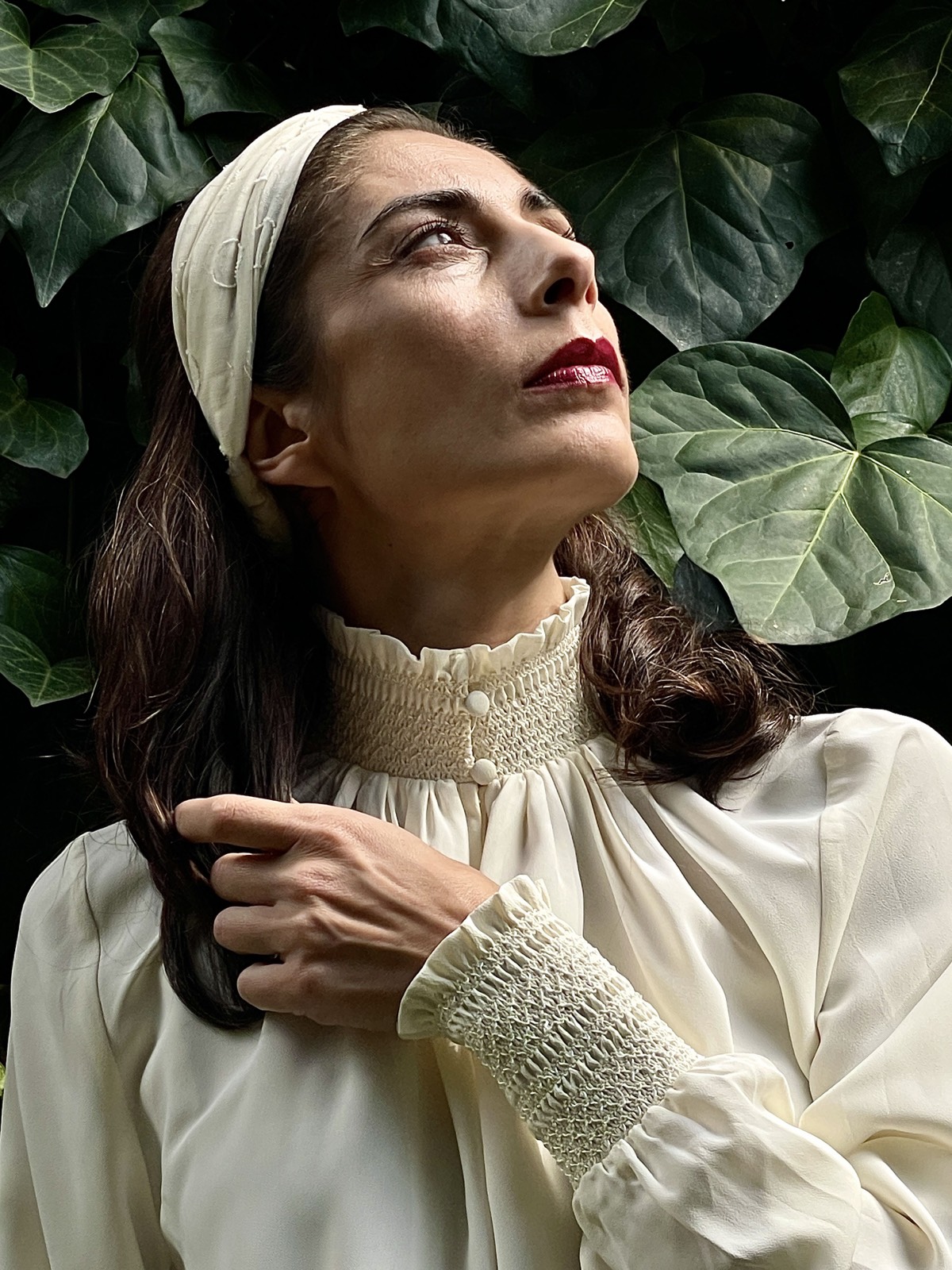
Paola Maccioni (Cagliari, 1980) is an artist living and working in Veneto. Her research focuses exclusively on aluminum, explored through a sculptural language that arises from the transformation of the metal surface.
A self-taught artist, since 2019 she has developed a personal path based on the manual working of thin aluminum sheets through negative chasing, engraving and chiselling. She works the material without hammer or punches: the gesture acts from inside the sheet, altering its structure through controlled pressure.
The work arises from a slow, calibrated process, in which minimal variations of the gesture generate reliefs, tensions and depth, turning the metal plane into a dynamic surface traversed by light.
«Gesture does not add matter: it pushes it from within.»
Paola Maccioni's practice reinterprets the tradition of chasing from a contemporary perspective, shifting attention from the decorative element to the construction of form. Aluminum thus becomes the site of a continuous dialogue between surface and volume, control and transformation, memory and possibility.